Rett Syndrome Awareness Month, Oct 2026- Importance, History
PACE Hospitals
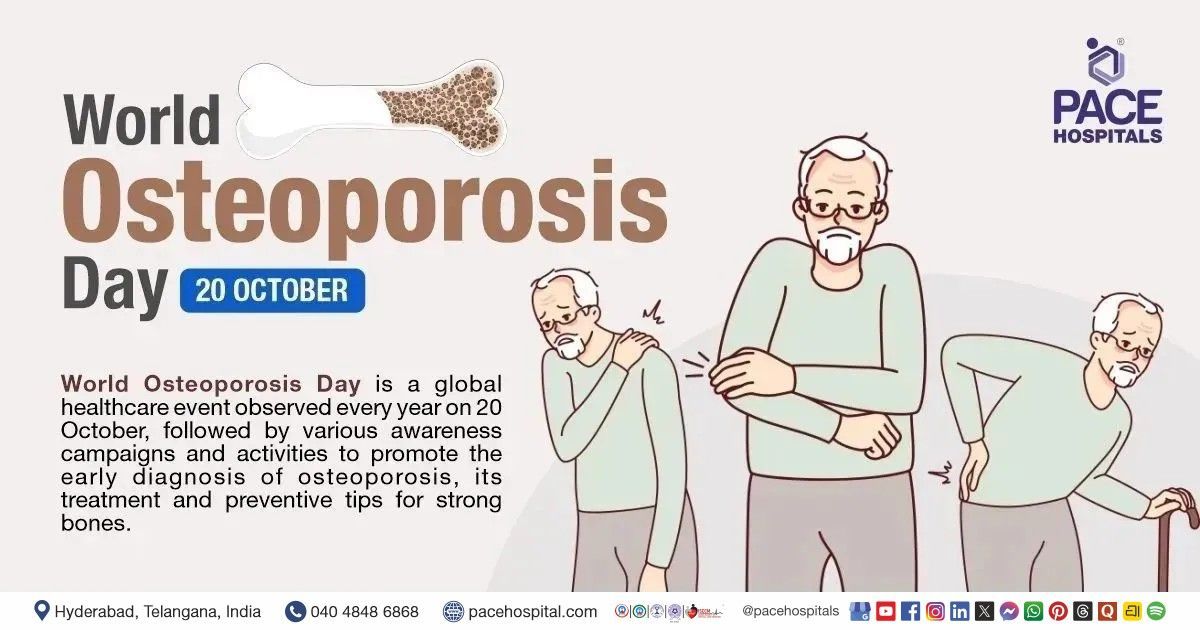
Rett Syndrome Awareness Month is a global healthcare event is observed annually in the entire month of October, aims to raise awareness about the rare disease and to hasten comprehensive research to treat Rett syndrome and provide families with information, knowledge, and connectivity.
During this month, various local and central organisations come together to conduct various awareness programs, workshops, social campaigns and other national surveys to create awareness about Rett syndrome and foster a community of support for the families of Rett Syndrome.
Importance of Rett Syndrome Awareness Month
Rett syndrome (RS) is a severe neurodevelopmental condition that has a substantial global impact on severe intellectual disability in females compared to males. It is characterised by the increased loss of intellectual functioning, fine and gross motor skills, and linguistic capacities, as well as the onset of stereotypical hand movements.
Girls with Rett syndrome (RS) frequently experience seizures, hyperventilation, periodic apnoea, scoliosis, growth retardation, and gait apraxia. Rett syndrome (RS) is one of the most persistent causes of mental disability in females, with an incidence of 1 in 10,000 to 15,000. The prevalence of this syndrome is approximately to be between 1 in 10,000 and 1 in 22,000.
A mutation in the MECP2 gene, also known as the methyl CpG binding protein 2, accounts for most instances of Rett syndrome. Methyl cytosine binding protein 2 (MeCP2), a necessary protein for brain development and one of the biochemical switches that activates and deactivates gene functions, is produced due to instructions found in the MECP2 gene. People with Rett syndrome may have too little or improperly functioning MCP2 as the MECP2 gene may not operate properly in these individuals.
In the German literature, Rett syndrome (RS) was initially identified as a clinical entity in 1966. In 1983, Hagberg and colleagues published a second description of the disorder in 35 girls with the startlingly comparable clinical symptoms of "loss of purposeful hand movements, progressive autism, ataxia, and acquired microcephaly," which raised awareness of the syndrome in the English medical community.
Rett syndrome (RS) is currently acknowledged as a pan-ethnic illness. It exhibits a constantly expanding clinical profile and is regarded as the second most typical cause of severe mental retardation in girls after Down's syndrome.
Rett syndrome has been frequently misdiagnosed as autism, cerebral palsy, or global developmental delay due to a lack of awareness of diagnoses among the medical fraternity, as this condition is one of the rare diseases. The Rett syndrome awareness month creates a platform to emphasise awareness with respect to the disease, diagnosis and treatment in addition to addressing the challenges Rett Syndrome patients face.
History of Rett Syndrome Awareness Month
Rett Syndrome Awareness Month was organised by the International Rett Syndrome Foundation (IRSF) in the year 1983 (approximately), which is the leading research and family empowerment organisation for Rett syndrome. Over the last 40 years, the International Rett Syndrome Foundation (IRSF) has contributed more than 5.8 crores to fund breakthrough discoveries and life-changing advancements in Rett syndrome research while supporting thousands of individuals and families globally.
In addition to IRSF, the National Institutes of Health (NIH), including the National Institute of Neurological Disorders and Stroke (NINDS) and other organisations, supports research on Rett syndrome. Understanding the cause is necessary for enhancing new treatments to manage specific symptoms, as well as improving diagnostic techniques.
Challenges in the development of Rett Syndrome
Currently, there is no cure for Rett Syndrome, as the treatment for this syndrome is under research. However, the following may aid in the development of Rett disease treatment:
- Increase investments in ground-breaking research that provides the promise of new therapeutics.
- Advance research to flood the pipeline for treatments and a cure.
- Enhance clinical trial success and expand care for all those in need.
Share on
Request an appointment
Fill in the appointment form or call us instantly to book a confirmed appointment with our super specialist at 04048486868
Appointment request - health articles
Recent Articles