World Diabetes Day, 14 November 2026 - Theme, History & Importance
PACE Hospitals
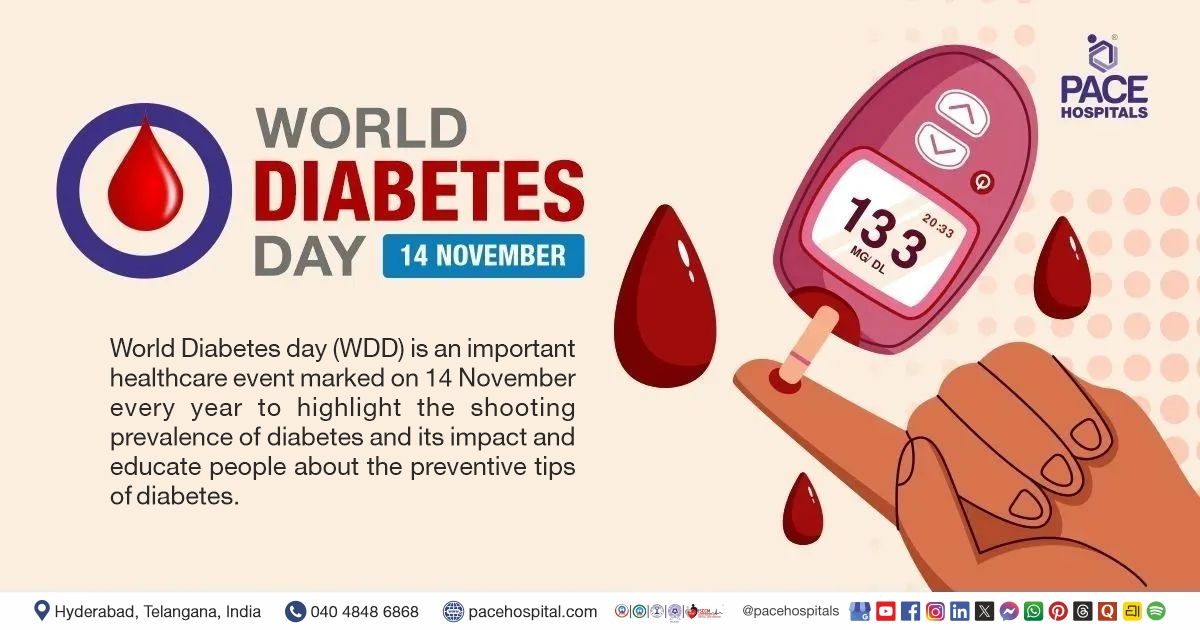
World Diabetes Day (WDD) is an important healthcare event marked on 14 November every year to highlight the shooting prevalence of diabetes and its impact and educate people about the preventive tips of diabetes.
World Diabetes day is one of the largest diabetes awareness campaign organised every year, with its presence in more than 160 countries reaching and impacting the life of more than 100 crores with its awareness campaigns, advocacy for better access to treatment and quality informational content to tackle the diabetes.
Diabetes is a disorder in which the body fails to process and utilize the glucose which is produced from the food we consume. There are mainly three types of diabetes mellitus - Type 1 diabetes, Type 2 diabetes and Gestational diabetes. Glucose is the leading source of energy in the body. Inefficient assimilation of glucose can hamper one's day-to-day activity, and unmanaged diabetes could lead to fatal complications like cardiovascular issues, nerve damage, kidney damage, foot damage, skin infections, erectile dysfunction, depression, dental problems and more.
Importance of World Diabetes Day (WDD)
According to International Diabetes Foundation (IDF), diabetes caused 67 lakhs death in 2021, and it is estimated that 53.7 crore (1 in 10) people were living with this disease in the same year and there is an indication and that this count will raise to 64.3 crore in 2030 and 78.3 crore by 2045.
It is estimated that 1 in 2 adults (44%), which is around 24 crore people, affected with diabetes remains undiagnosed, the majority of them suffered with type 2 diabetes, which can be prevented with few lifestyle changes and healthy dietary habits. Due to the lack of proper information and guidance to understand the sign and symptoms and get early diagnosis to start the preventive measures, it is estimated that nearly 54.1 crore adults are at the risk of developing type 2 diabetes.
Due to the sedentary lifestyle enjoyed nowadays, it is estimated that around 10.2 lakhs teenagers (0-19 yr) are affected with Type 2 diabetes. And, 1 in 6 live births (2.1 crore) are getting affected with high blood glucose (hyperglycaemia) in pregnancy.
In 2021, 9% of global total health expenditure was attributed to the management of diabetes, to combat this widespread disease and curb the increasing risk of developing diabetes mainly type 2 diabetes among the adolescent and adults, World Diabetes Day comes out to be a global platform for the advocacy and prevention of this silent killer disease.
Early Warning Signs of Diabetes and When to Get Tested
Diabetes can develop gradually, and some people may not notice any symptoms during its early stages. Recognizing changes in the body and understanding when blood glucose testing is needed can help identify the condition earlier. Some common warning signs that may indicate diabetes include:
- Frequent Urination: Increased blood glucose levels can cause the kidneys to remove excess glucose through urine, leading to more frequent urination.
- Excessive Thirst: Frequent urination can result in fluid loss, causing increased thirst.
- Increased Hunger: Some people experience persistent hunger because the body cannot use glucose effectively for energy.
- Unexplained Weight Loss: Weight loss without changes in diet or physical activity may occur, particularly when insulin production is insufficient.
- Persistent Fatigue: High blood glucose levels can affect the body's ability to use glucose efficiently, contributing to tiredness.
- Blurred Vision: Changes in blood glucose levels can affect the fluid balance in the eyes and temporarily alter vision.
- Slow-Healing Wounds and Recurrent Infections: Persistently elevated blood glucose can interfere with wound healing and increase susceptibility to certain infections.
World Diabetes Day 2026 Theme
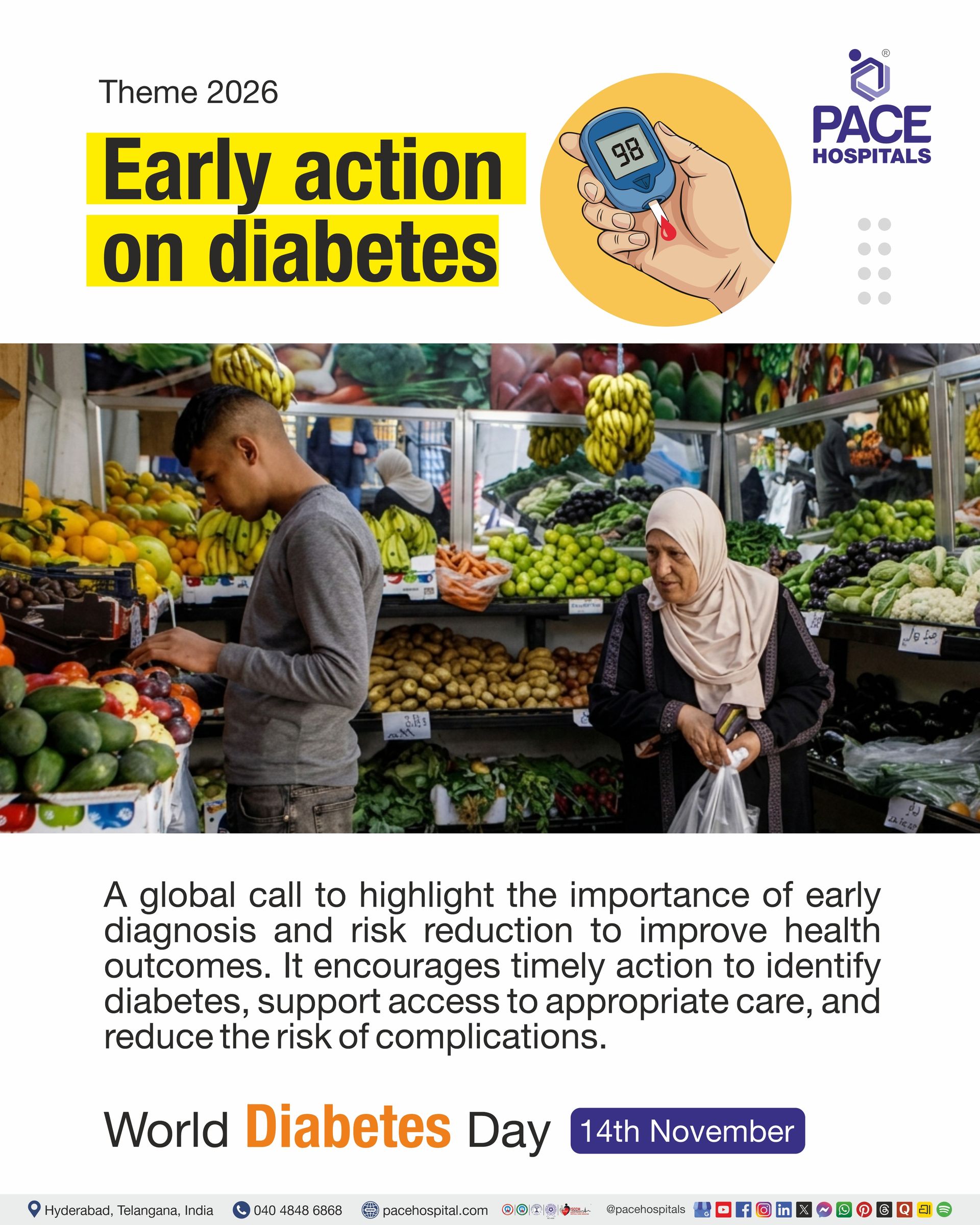
This year, 2026, the World Diabetes Day theme is "Early action on diabetes". This theme highlights the importance of early diagnosis and risk reduction to improve health outcomes. It encourages timely action to identify diabetes, support access to appropriate care, and reduce the risk of complications.
Year by year, the themes for World Diabetes Day:
- World Diabetes Day 2025 theme: Diabetes across life stages
- World Diabetes Day 2024 theme: Breaking Barriers, Bridging Gaps
- World Diabetes Day 2023 theme: Access to diabetes care
- World Diabetes Day 2022 theme: Access to diabetes education
- World Diabetes Day 2021 theme: Access to diabetes medicines and care
- World Diabetes Day 2020 theme: Introducing the Global Diabetes Compact
- World Diabetes Day 2019 theme: Family and Diabetes
The theme also intent to educate people and appeals to encourage them to urges to their public healthcare institutions and other global institutions to facilitate better opportunity, infrastructures, manpower and financial support to enhance the diabetes education to achieve the combine effort of WHO and other organization to accomplish the diabetes coverage target by 2030, which includes:
- Diagnosis of 80% of people affected with diabetes.
- 80% of people diagnosed should have better management over their glycaemia & Blood Pressure.
- 60 % of people (40 year and above) must have an accessibility to Statin (group of drug which helps in reducing the level of cholesterol in blood)
- 100% of Type 1 Diabetes affected people should have easy access to Insulin and proper blood glucose self-management facility.
History of World Diabetes Day (WDD)
World Diabetes Day (WDD) was founded by International Diabetes Foundation (IDF) with the collaboration with World Health Organization (WHO) in 1991, and it became official United Nation Day in 2006 under the UN Resolution 61/225.
The day 14 November was chosen to commemorate the birthday of Sir Frederick Banting, co-discoverer of Insulin along with Charles Best in 1922.
The campaigns organized on World Diabetes Day is denoted with "Blue Circle Logo", Which was induced in the year 2007 just after the day was officially recognized by United Nation, and since then Blue Circle is considered as the global symbol of Diabetes Awareness and denotes the coalition of global diabetes communities in combating the growing cases of diabetes.
Preventive Measures to Manage Diabetes
According to International Diabetes Foundation it is estimated that around 54.1 crore adults are at the risk of developing type 2 diabetes, which has become the utmost concern to address worldwide to bring the risk down by promoting the awareness programs and quality diabetes educational platforms to educate them to manage and prevent diabetes in its early stage.
Type 2 Diabetes can be prevented and managed with proper lifestyle habits, proper management of diet intake (diets which are low or below 50 in Glycemic Index). Type 2 Diabetes is a condition where insulin is not adequately produced and efficiently used (also called insulin resistance), which can be reinstated by following a disciplined lifestyle, self monitoring and keeping eye on the fluctuations of blood sugar, regular consultation with the doctors.
Some of the preventive tips to control diabetes are:
- Avoid sugar and refined carbohydrates intake
- Practice to eat small portion of meal at one time
- Include fibers and food which are low in Glycemic index
- Quit smoking, which promotes insulin resistance
- Make a habit of doing regular exercise for at least 30 minutes a day
- Keep eye on your blood cholesterol level (Ideal should be below 200). LDL (low-density lipoprotein) below 100, HDL (high-density lipoprotein) above 20 and triglycerides below 150
- Have proper management of your blood pressure, which should be 130/80 or lower
- Avoid intake of aerated drinks and other beverages with added sugar, which can raise the risk of Type 2 diabetes, make a habit of consuming normal water.
- Get updated with diabetes control preventive tips.
- Promote and encourage the diabetes related campaign to spread the awareness to the needy one.
If you have frequent urination, excessive thirst or high blood sugar readings, consult the specialists at our Department of Endocrinology for diabetes diagnosis and long-term management.
Share on
Request an appointment
Fill in the appointment form or call us instantly to book a confirmed appointment with our super specialist at 04048486868
Appointment request - health articles
Recent Articles