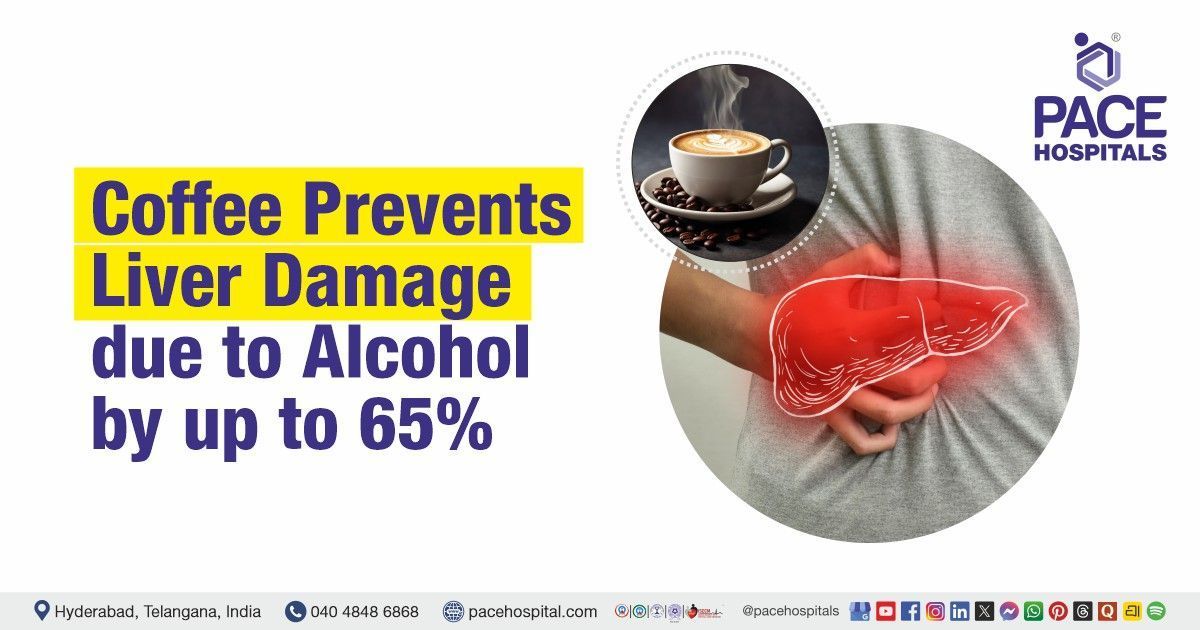
Coffee Prevents Liver Damage due to Alcohol by Up to 65%
PACE Hospitals
Coffee is one of the most widely consumed beverages worldwide. Beyond its familiar energizing effects, a substantial body of clinical research has explored its relationship with liver health. Over the past two decades, observational studies and meta-analyses have consistently shown that moderate coffee consumption is associated with reduced risks of chronic liver disease, cirrhosis, and hepatocellular carcinoma.
At PACE Hospitals, our hepatology specialists frequently counsel patients with fatty liver disease, metabolic syndrome, alcohol-related liver injury, and viral hepatitis. While coffee is not a treatment substitute, current scientific evidence suggests it may offer supportive benefits when included as part of a structured liver-friendly lifestyle.
One cup of coffee per day reduces the risk of liver damage due to alcohol by 22%, two cups by 44%, 3 cups by 56% and 4 cups by 65%, showing that the compound effect declines slightly, but that the percentage is still remarkable per extra cup.
It was thereafter suggested that 2-4 cups of pure, filtered coffee per day would produce the maximum results, and that any additional cups would have a negative effect on the rest of the body due to the caffeine and acidity load.
The University of Southampton has revealed their findings after a 15 years study of liver cirrhosis in more than 4,00,000 patients, and coffee has come out as the top antidote to heavy drinking. It took multiple scientists and doctors to come up with their best solution to reduce liver damage, and all were shocked that a few simple cups of coffee had the most significant healing power.
“Cirrhosis is potentially fatal and there is no cure as such. Therefore, it is significant that the risk of developing cirrhosis may be reduced by the consumption of coffee: a cheap, ubiquitous and well-tolerated beverage.”
There are slightly more fatal cases of liver cirrhosis in males than females, and most prominent in individuals aged between 25-34, according to the National Institute of Alcohol and Alcohol Abuse. In the United States approximately 24% of the population engages in binge-drinking, which causes 88000 deaths per year. Of that, almost half are liver-damage related.
How do I know if I am Drinking too much Alcohol?
While there is no global consensus of how much alcohol exceeds the health limit, an average of governmental recommendations show that the benchmark sits at 14 units per week, which equates to about two glasses of wine taken daily or 8-10 grams of pure alcohol. Binge-drinking has proven to have detrimental and compound damaging effects on your body, with your liver taking the biggest knock.
The major symptoms of liver cirrhosis include:
- Fatigue
- Weight Loss
- Loss of Appetite
- Frequent Nose Bleeds
- Visible Spider-shaped Arteries Under the Skin
- Swollen legs
- Severe Itching
- Abdominal Swelling
- Jaundice/Yellowing of the Skin
The liver is an organ which regenerates cells annually, and can recover from the effects of heavy drinking, which cause liver cirrhosis.
The scar tissue caused by alcohol damage can be reduced and healed back into health, and coffee is the perfect beverage to support its path to a healthy condition. Up to 69% of Americans are undiagnosed with this condition, and up to one million people die per year from it.
Diagnosis involves observing symptoms, and completing a liver scan at your local medical centre. By cutting down the consumption of alcoholic beverages and adding a few cups of coffee to your day, you reduce the risk of fatality dramatically.
The Global Burden of Liver Disease
Chronic liver disease remains a major contributor to global mortality. Metabolic dysfunction–associated steatotic liver disease (MASLD), formerly referred to as non-alcoholic fatty liver disease (NAFLD), affects approximately 25–38% of adults worldwide. Rising rates of obesity, insulin resistance, and type 2 diabetes are accelerating this burden, particularly in urban populations.
If unaddressed, MASLD may progress to liver fibrosis, cirrhosis, and ultimately hepatocellular carcinoma (HCC). Cirrhosis alone contributes significantly to global liver-related deaths.
Large epidemiological studies show that frequent coffee consumption is associated with lower liver-related mortality and disease progression.
Key Statistics at a Glance
| Liver Condition | Estimated Global Prevalence | Risk Reduction with 2–4 Cups/Day | Evidence Base |
|---|---|---|---|
| MASLD/NAFLD | 25–38% of adults | 29–50% lower fibrosis progression | Meta-analyses |
| Cirrhosis | ~1–2% global population | Up to 66% reduced risk | Prospective cohorts |
| Hepatocellular carcinoma | 4–6 per 100,000 (region-dependent) | 38–50% reduced risk | Systematic reviews |
| Chronic liver mortality | Varies by etiology | 20–49% lower risk | Large population databases |
These findings reflect observational associations. Protective trends appear dose-responsive — meaning benefits increase with moderate consumption but plateau beyond approximately 4 cups per day.
Understanding Dose-Response Patterns
Several studies demonstrate that even one cup of coffee per day may be associated with reduced liver-related mortality. Risk reduction appears stronger in individuals consuming two to four cups daily. However, consumption beyond five to six cups does not appear to proportionally increase protective effects and may introduce cardiovascular concerns in sensitive individuals.
This dose-response relationship strengthens the biological plausibility of coffee’s hepatoprotective role.
Coffee and MASLD (Metabolic Fatty Liver Disease)
MASLD is characterized by fat accumulation within hepatocytes, often driven by insulin resistance and metabolic dysfunction. Research indicates that coffee consumption is associated with:
- Lower liver enzyme levels (ALT, AST)
- Reduced fibrosis progression
- Improved insulin sensitivity markers
Meta-analyses show up to 29–50% reduced risk of advanced fibrosis among regular coffee drinkers compared to non-drinkers.
Coffee and Cirrhosis
Cirrhosis represents advanced liver scarring. Multiple prospective cohort studies have demonstrated a 50–66% lower incidence of cirrhosis among regular coffee drinkers.
In patients with established cirrhosis, coffee intake has been associated with improved survival and lower rates of hepatic decompensation in observational data.
Coffee and Hepatocellular Carcinoma
HCC is the most common primary liver cancer and among the leading causes of cancer-related mortality globally.
Systematic reviews and pooled analyses report a 38–50% reduced risk of HCC among individuals who consume coffee regularly.
The International Agency for Research on Cancer (IARC) has classified coffee as “not classifiable as carcinogenic” and has noted inverse associations with liver cancer risk.
Biological Mechanisms: How Coffee May Protect the Liver
Coffee contains numerous bioactive compounds that may contribute to these associations.
Caffeine: It may inhibit adenosine receptor pathways involved in fibrosis development.
Chlorogenic Acids: These polyphenols have antioxidant effects and may lower oxidative stress in the hepatocytes.
Polyphenols: These substances may reduce inflammatory cytokines and boost insulin sensitivity.
AMPK Activation: Coffee components may stimulate AMP-activated protein kinase (AMPK), improve lipid metabolism and reducing fat accumulation.
Anti-Fibrotic Effects: Laboratory models suggest reduced activation of hepatic stellate cells, which are central to scar formation.
Decaffeinated Coffee: Does It Offer Benefits?
According to some research studies, decaffeinated coffee retains several beneficial connections, indicating that non-caffeine chemicals have a major impact.
This means that coffee may be useful even for caffeine-sensitive persons.
Practical Recommendations
- For most healthy adults:
- 2–4 cups per day appear to be within beneficial range
- Prefer filtered coffee
- Avoid added excess sugar
- Limit caffeine to ≤200 mg/day during pregnancy
Individuals with arrhythmias, severe reflux disease, or uncontrolled hypertension should consult a physician before increasing intake and follow the advice as recommended by healthcare professionals.
Important Clinical Clarification
- Coffee is not a substitute for:
- Antiviral therapy in hepatitis B or C
- Alcohol cessation programs
- Weight reduction strategies
- Diabetes control
- Lipid management
- Routine liver screening
It should be viewed as an adjunct lifestyle factor.
When to Seek Hepatology Evaluation?
If individuals experience:
- Persistent fatigue
- Abdominal swelling
- Jaundice
- Elevated liver function tests
- Known hepatitis infection
- High metabolic risk
Should undergo structured liver evaluation.
At PACE Hospitals, we provide comprehensive liver assessment, and it includes:
- Liver function tests (LFTs)
- Elastography (Fibroscan)
- Ultrasound abdomen
- Viral hepatitis screening
- Metabolic evaluation
- Liver biopsy when clinically indicated
Early detection significantly improves long-term outcomes.
Frequently Asked Questions (FAQs) on Coffee and Liver Health
What are the health benefits of coffee?
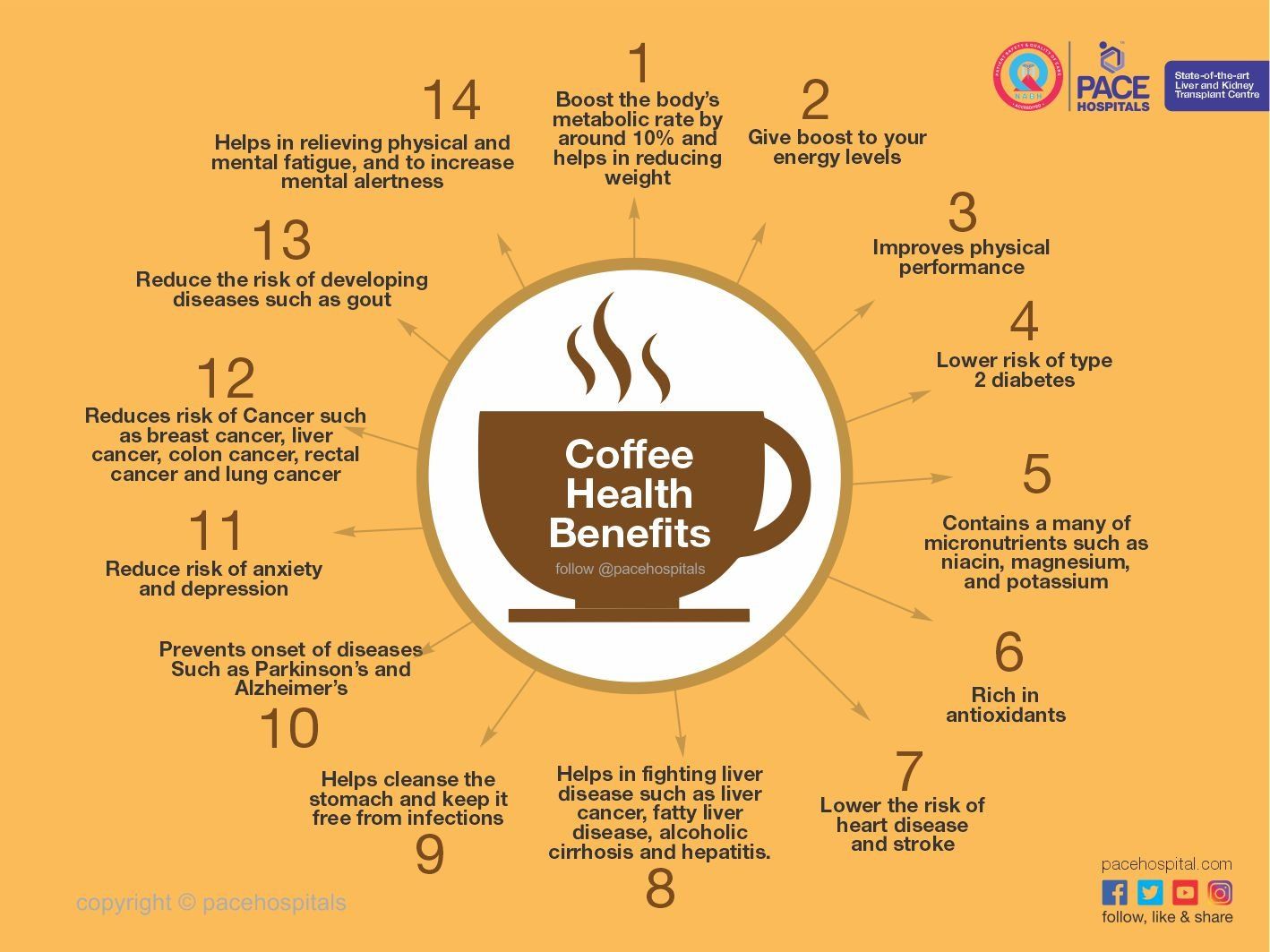
Coffee has numerous health benefits. The main ingredient in coffee is caffeine. A regular cup of coffee contains approximately 2.4 calories and absolutely has no fat and sugar. Coffee contains a many of micronutrients such as niacin, magnesium, and potassium. Research show that drinking coffee have a much lower risk of several serious diseases. Here are some of the health benefits:
- Boost the body’s metabolic rate by around 10% and helps in reducing weight
- Give boost to your energy levels
- Improves physical performance
- Lower risk of type 2 diabetes
- Rich in antioxidants
- Lower the risk of heart disease and stroke
- Helps in fighting liver disease such as liver cancer, fatty liver disease, alcoholic cirrhosis and hepatitis.
- Helps cleanse the stomach and keep it free from infections
- Prevents onset of diseases Such as Parkinson’s and Alzheimer’s
- Reduce risk of anxiety and depression
- Reduces risk of Cancer such as breast cancer, liver cancer, colon cancer, rectal cancer and lung cancer
- Reduce the risk of developing diseases such as gout
- Helps in relieving physical and mental fatigue, and to increase mental alertness
Why coffee is a good option in liver disease?
Studies are still ongoing, but the previous nine extensive studies have revealed that the powerful antioxidants, the caffeine and the excellent anti-inflammatory properties contained in coffee, such as chlorogenic acid, kahweol and cafestol are the reason behind its remarkable effect on damaged livers. By reducing inflammation, healing oxidative and corrosive stress and giving your body a healthy dose of circulation-inducing caffeine, your liver has the chance to recover from poor lifestyle choices made over a number of years.
How much coffee is considered beneficial for liver health?
The majority of studies demonstrate that drinking 2-4 cups per day is protective. Benefits appear to be dose-responsive up to this point, with moderate intake showing stronger connections than very low intake. Excessive drinking of more than five or six cups per day does not appear to bring any further benefits.
Can coffee reduce fatty liver disease?
According to research, those with fatty liver disease who drink coffee on a regular basis may experience slower progression to liver fibrosis. Some studies have also discovered that coffee consumers have lower liver enzyme levels than non-drinkers.
Does coffee lower the risk of liver cancer?
Multiple meta-analyses show that regular coffee consumption is associated with a significantly lower risk of hepatocellular carcinoma. The protective trend appears consistently across different populations.
Does coffee reverse liver fibrosis?
Current evidence does not confirm reversal of fibrosis. However, several studies suggest that coffee consumption may slow fibrosis progression in patients with metabolic fatty liver disease.
Is coffee helpful in alcohol-related liver disease?
Research indicates that coffee drinkers may have a lower risk of alcohol-related cirrhosis compared to non-drinkers. However, coffee does not eliminate the harmful effects of alcohol. Alcohol moderation remains essential.
Can people with hepatitis drink coffee?
Studies suggest that coffee consumption may be associated with lower liver enzyme levels and reduced cancer risk in patients with hepatitis B or C. However, coffee does not replace antiviral treatment.
Is coffee safe for patients with cirrhosis?
Moderate coffee consumption appears to be safe for many individuals with stable cirrhosis, and it may be associated with increased survival in observational studies. Before making dietary adjustments, seek personal medical advice.
Does coffee really help prevent liver damage?
Several large observational studies suggest that moderate coffee consumption is associated with a lower risk of chronic liver disease. According to research, habitual coffee drinkers have a lower risk of developing fatty liver disease, cirrhosis, and even liver cancer. Coffee, on the other hand, should be viewed as a beneficial lifestyle aspect rather than a direct means of medical treatment.
Is coffee protective against liver cirrhosis?
According to prospective cohort studies, habitual coffee drinkers have decreased incidence of cirrhosis. While coffee cannot reverse established cirrhosis, it may slow progression in the early stages.
Is decaffeinated coffee also good for the liver?
Yes. Studies suggest that decaffeinated coffee retains many of the beneficial associations observed with regular coffee. This indicates that bioactive compounds beyond caffeine contribute to liver-related benefits.
Can coffee improve liver enzyme levels?
Observational data show that regular coffee drinkers often have lower ALT and AST levels. These enzymes are commonly elevated in fatty liver disease and other chronic liver conditions.
How does coffee protect the liver biologically?
Coffee contains antioxidants, chlorogenic acids, and polyphenols. These compounds may reduce oxidative stress, regulate inflammation, and influence metabolic pathways involved in fat accumulation and scarring.
Is there a maximum safe coffee intake?
For most healthy adults, up to 400 mg of caffeine daily (approximately 4 cups of coffee) is considered safe. Individuals with heart rhythm issues, reflux disease, or uncontrolled blood pressure should seek medical advice before increasing intake.
Does coffee help in metabolic liver disease linked to obesity?
Because metabolic fatty liver is closely tied to insulin resistance, coffee’s potential role in improving metabolic pathways may offer indirect liver support. However, weight reduction and diabetes control remain primary interventions.
Can coffee replace liver medications?
No. Coffee should not replace prescribed medications for cirrhosis, fatty liver disease, hepatitis, or other liver conditions. It may complement medical management but does not substitute for structured treatment.
When should someone consult PACE Hospitals for liver evaluation?
Medical consultation is advised if persistent fatigue, jaundice, abdominal swelling, abnormal liver function tests, or metabolic risk factors are present. Early assessment helps prevent disease progression.
What liver diagnostic services are available at PACE Hospitals?
PACE Hospitals provides comprehensive liver evaluation including abdominal ultrasound, Fibroscan elastography, liver function tests (LFTs), viral screening, metabolic assessment, and advanced hepatology consultation with highly experienced hepatologist.
Can coffee prevent progression to advanced liver disease?
Observational research suggests that moderate coffee drinking may be related with a lower risk of developing cirrhosis and liver cancer. However, progression risk is influenced by a number of variables, including obesity, diabetes, alcohol consumption, and viral infections.
What is the overall recommendation regarding coffee and liver health?
The current research supports moderate coffee use as part of a liver-friendly lifestyle. For maximum liver protection, it should be combined with good weight management, moderate alcohol consumption, diabetes control, and routine screening.
Share on
Request an appointment
Fill in the appointment form or call us instantly to book a confirmed appointment with our super specialist at 04048486868
Appointment request - health articles
Recent Articles